
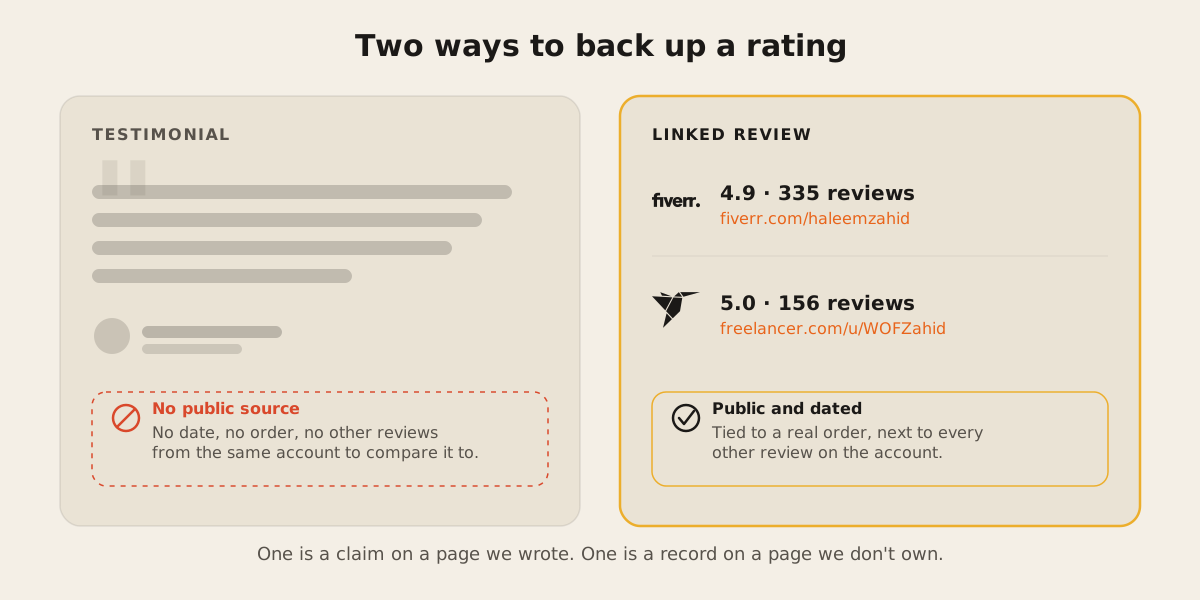
Most agency websites carry the same testimonials block: a handful of quotes, a first name, sometimes a headshot, no link anywhere. There’s no source to open and check any of it against. The agency wrote the copy, picked the quotes, and put them on a page it controls end to end. Our reviews page works differently. Every number on it points to a public profile you can open and check against what we say there, and every quote links back to where it was posted.
What a testimonial actually proves
A testimonial on an agency’s own site proves that the agency was willing to publish those words. It doesn’t prove a client said them, that the client exists, or that the project happened the way the quote describes. Nothing stops an agency from writing the quote itself, attributing it to “a client,” pairing it with a stock photo, and leaving it up long after the project ended, or after the client stopped answering emails. There’s no date attached, no order history, no other reviews from the same account to compare it against. You’re trusting the page, not the claim printed on it.
None of this means every testimonial on every agency site is fake. Most probably aren’t. The problem is that you have no way to tell the honest ones from the invented ones, because the page gives you nothing to check.
What a linked review proves
A review on Fiverr or Freelancer.com sits next to an order history that we don’t control after the fact. Each review is tied to a specific order on a reviewer account with its own history. You can see how many other jobs that account has reviewed, when, and what it said about those too. Fiverr’s own help center article on reviews explains that reviews are tied to completed orders, or in some cases eligible canceled ones. A testimonial is a claim. A linked review is a record with a paper trail you can pull on.
On our reviews page, the quotes are copied word for word from those profiles. One of them, from a reviewer called sam_devin, was posted during the FurnitureAxis build, and you can read the identical words on the Fiverr profile the page links to.
Why we don’t add review schema
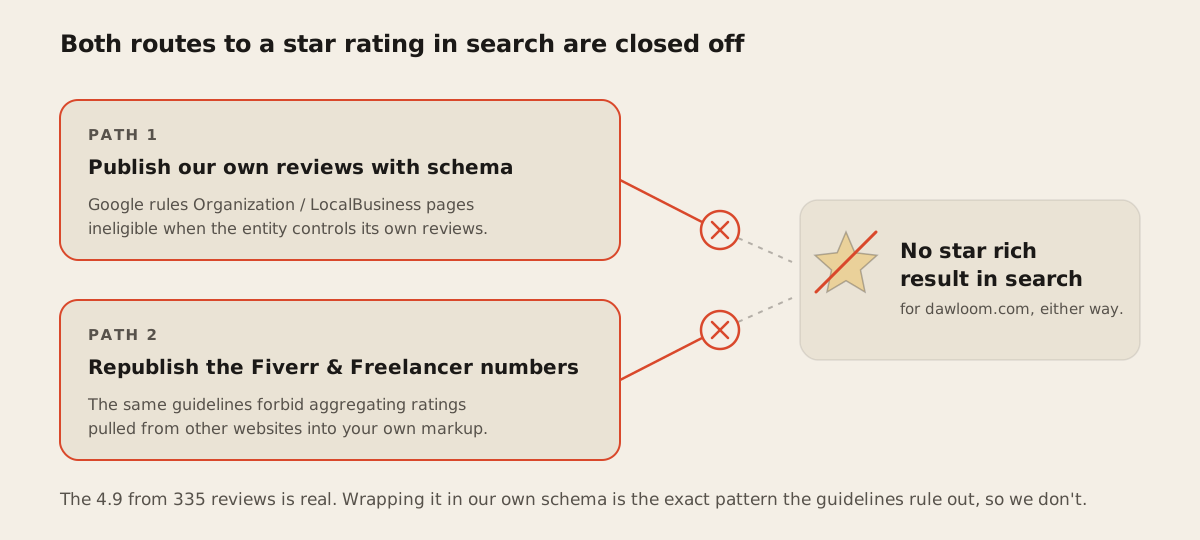
There’s a second reason we don’t run testimonials, and it has nothing to do with taste. Google’s structured data guidelines for the review snippet feature say that if the entity being reviewed controls the reviews about itself, its pages using Organization or LocalBusiness markup are ineligible for the star rating rich result. The same guidelines tell sites not to aggregate reviews or ratings pulled from other websites into their own markup.
Read together, that closes off both paths we’d need for dawloom.com to show stars in search results. We can’t publish our own reviews with schema attached, since we’d be the entity controlling them. We can’t take the Fiverr and Freelancer numbers and republish them under our own Organization markup either, since that’s aggregation from another site. Plenty of agency sites run this markup anyway, betting that nobody checks. If we tried it, our JSON-LD would look something like this:
{
  "@type": "Organization",
  "name": "Dawloom",
  "aggregateRating": {
    "@type": "AggregateRating",
    "ratingValue": "4.9",
    "reviewCount": "335"
  }
}
The numbers are real. They’re the same 4.9 from 335 reviews you’ll find on Fiverr. Wrapping them in our own Organization schema is the exact pattern the guidelines rule out, so we don’t publish that block anywhere on the site. What the page has instead is a link.
None of this is really about search results, though. It’s about what we’re willing to stand behind. If a client is deciding whether to hand us their vendor catalog sync, their sign-in flow, or their billing setup, the honest question is whether we’ve done that kind of work before and done it well. A page we wrote ourselves answering “yes” isn’t proof of anything. A public profile with years of reviews attached, one we don’t control and can’t edit after the fact, is a better answer to the same question.
What’s on the page
The reviews page has two cards, one for Fiverr and one for Freelancer.com, each showing the rating and a link that opens the profile in a new tab. Below that sit the quotes, sourced the same way, each one pointing back to where you can find it. There’s no review schema for a search engine to pick up and no aggregate score computed on our end. If the page ever shows a star rating in a Google result, it will be because Google pulled it from Fiverr or Freelancer directly.
That’s the trade. A testimonials page is easier to build and easier to make sound good, since the agency controls every word on it. A linked reviews page hands that control to a platform we don’t own, along with all the reviews we didn’t get five stars on. The reviews sitting next to ours are the same reviews everyone else gets, not a handpicked set.
If you’re deciding who to hire, don’t take our word for the rating. Open the Fiverr profile or the Freelancer one and read what’s there yourself. If the work looks right, get in touch.